
0 seconds read
Nature Bridge Fresh Omakase in Indonesia International Pet Expo 2025



Dog owners might love to cuddle with their furry friends, but there’s little worse than being up close and personal with a dog’s mouth when they decide to yawn. All it takes is one whiff of stinky dog breath to ask yourself, “What could possibly be causing that smell?”. No dog’s breath is going to be particularly pleasant—at least not by human standards. However, some breath ventures beyond the usual icky dog-food stench into something much worse. Extremely or unusually bad breath in dogs could actually be indicative of a health problem. Where bad breath in dogs comes from Most people assume that bad breath (also called halitosis) stems directly from the mouth. This is true in a lot of cases. Food particles and bacteria on the teeth and tongue are typically responsible for how your dog’s breath smells—whether it’s tolerable or one of the worst smells you’ve encountered. However, not all bad breath in dogs is directly related to the mouth. Bacteria and acids that reside in the gut can also make their way up and cause malodorous breath. In this case, brushing your dog’s teeth isn’t likely to get rid of the stench. Instead, a more severe health problem might be at play. Getting to the bottom of your pup’s stinky breath Multiple things could be causing your dog’s breath to smell bad, ranging from perfectly harmless to hazardous to your pet’s health. You’ll need to consider your dog’s eating habits, potential symptoms and health routines in order to determine where the smell is really coming from. Here are some of the most common culprits. Their food: Food is usually the first places pet parents look when their dog develops bad breath. This is a reasonable assumption, since food is formulated to taste and smell appealing to animals—not to us. After finishing off a meal, your dog’s breath might stink because of the food particles stuck on their teeth. Diet can also cause bad breath by disrupting the microbiome in your dog’s gut. When some bacteria grow unchecked, they can cause GI issues along with bad breath. It’s possible your dog’s food doesn’t agree with them, or might not be nutritionally balanced for their needs. However, if your dog’s bad breath develops suddenly without a change in diet, it’s unlikely that it’s related to their meals at all. Unsupervised eating: Another kind of food can also cause bad breath in dogs—the food they’re not supposed to eat! Dogs who like to rummage in the garbage, eat poop or attack small prey outdoors might experience a random bout of halitosis. Unsupervised snacking usually results in rotten-smelling breath. Oral health problems: If the problem isn’t your pet’s food, the next most likely cause is poor oral health. Plaque builds up on dogs’ teeth just like it does in humans, and this can cause bad breath. Over time, plaque hardens into tartar and can cause gum inflammation and disease. The more bacteria that accumulates on the teeth and gums, the worse the breath can get. Check your pup for red, swollen or bleeding gums and monitor their eating behavior for signs of tooth pain. Diabetes: Dogs with untreated diabetes might develop breath that smells sweet, fruity or like acetone. This change might not be that unpleasant, but it is important to pay attention to! The smell comes from the body producing ketones from metabolized fat. Other signs might include unexplained weight loss, increased thirst and changes in appetite. Liver disease: Liver disease in dogs is also known to cause bad breath. When the liver is damaged, it stops removing toxins and waste from your dog’s body. The disease typically leads to foul-smelling breath alongside symptoms like yellow gums or eyes, dark urine, weight loss and vomiting. Kidney disease: Kidney disease and failure can lead to bad breath, too. In this instance, your dog’s breath might smell like urine or ammonia. This is a result of the kidneys failing as your dog’s urinary filtration system. Watch for other signs like oral ulcers, vomiting and dehydration. How to freshen your dog’s breath At the first sign of bad doggy breath, owners might be tempted to toss their dog a dental treat and call it a day. However, treating halitosis relies on understanding exactly where the bad breath is coming from. By treating the underlying cause, you can freshen your pup’s breath in no time! If you recently changed your dog’s food and suspect the bad breath is due to the flavor, give your dog a dental treat or brush their teeth after they eat to put a stop to the smell. You could also try a different type of food to see if the odor is more manageable. Keep your dog away from garbage they could eat and supervise them outside to make sure they don’t dig into any feces or roadkill. It’s also smart to adopt an at-home oral care regimen. Get your dog used to daily tooth brushing, oral health supplements and dental toys or treats that keep their teeth squeaky clean. If your pet hasn’t had a professional cleaning in a while, it might be a good idea to check in with your vet and rule out gingivitis or dental disease. After exploring food and dental care options, see if your dog’s breath improves. If it still smells bad—or if you pinpoint a sweet or ammonia smell—it’s time to visit the vet. They can run tests to see if your dog is experiencing diabetes or another disease and administer treatment right away. Although it’s certainly unpleasant, bad breath in dogs is not something that should be ignored. If your dog suddenly develops stinky breath, take steps to determine the underlying cause and visit the vet if you have concerns about a major health problem. A single whiff could be the thing that saves your dog’s life! Source: https://petwellbeing.com/
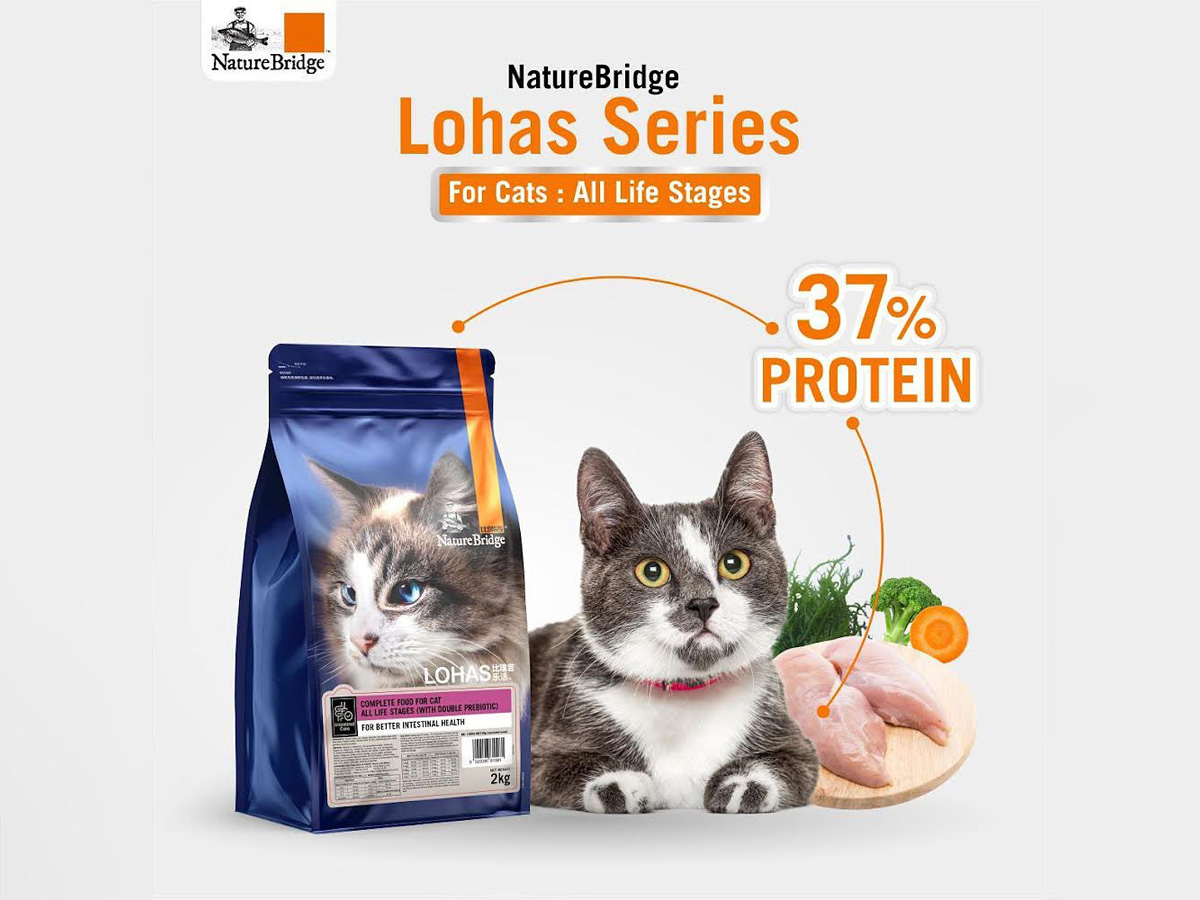
When your vet says your dog or cat needs to lose weight, your first instinct might be to cut back on food or try a "diet formula" from the pet store. But weight loss in pets isn’t as simple as just feeding less — it’s about choosing the right nutrition in the right amount for their needs. Weight management pet foods are specially formulated with lower calories, higher fiber, and often added L-carnitine to support fat metabolism. These diets help your pet feel full while still losing weight at a healthy pace. But not all "light" or "weight control" foods are the same — some may still contain fillers or excess carbs that don’t help long term. Before making a switch, talk to your vet. They can recommend a vet-approved formula based on your pet’s age, breed, and medical history. In some cases, prescription weight loss diets might be more effective, especially for pets with obesity-related conditions like diabetes or arthritis. Transitioning to a new food should always be gradual — over 7 to 10 days — to avoid digestive upset. Mix small amounts of the new food with the old, increasing gradually. And remember, food is only part of the equation — regular exercise and limiting treats are just as important in your pet’s weight loss journey. Tips When Starting a Weight Loss Diet: - Always check calorie content per cup/can — it varies by brand. - Use treats from their main food (kibble as rewards). - Avoid table scraps — these can derail weight loss fast. - Keep a daily feeding log to stay consistent. - Recheck weight and body condition every 4–6 weeks with your vet. Conclusion: Healthy Change Starts with the Right Fuel Helping your pet lose weight isn’t about starvation — it’s about smarter choices. With the right weight loss diet, your dog or cat can slim down safely, stay energized, and avoid serious health risks. When in doubt, work with your vet and don’t rush the process — slow and steady really does win the race. Besides veterinary checkups, we also need to be smart pet owners when choosing daily food for our beloved pets. Daily food that is high in protein is one of the keys to a good pet diet. Because protein can be a primary source of energy without contributing excess calories like carbohydrates or other sources of calories. NatureBridge Lohas for cats and dogs is a suitable daily food that is high in protein but can also be an appropriate diet food. Remember, dieting for pets doesn't mean starving them! Get NatureBridge Lohas exclusively at the official NatureBridge Indonesia store or at the official CPPETINDO store.
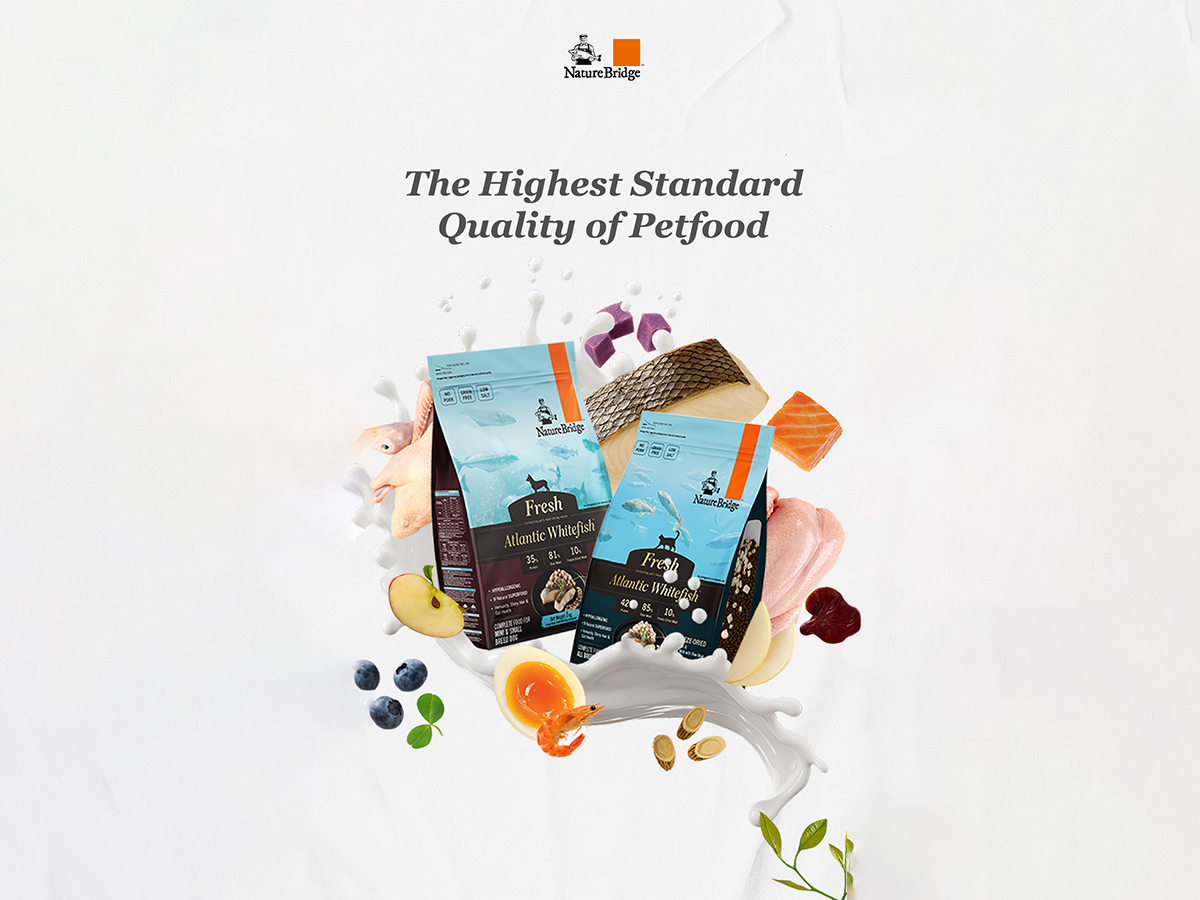
Not sure if your dog or cat is overweight? You’re not alone — many pet owners don’t recognize the signs until the extra weight starts affecting their pet’s health. But spotting weight gain early is key to preventing long-term issues. Start by looking and feeling. For dogs and cats at a healthy weight, you should be able to feel their ribs easily (but not see them), see a defined waist when viewed from above, and notice a slight tummy tuck when viewed from the side. If your pet looks round, waddles, or has a sagging belly — those could be red flags. One of the most helpful tools is the Body Condition Score (BCS) — a 1–9 or 1–5 scale used by vets to evaluate fat distribution. A score of 4–5 (on a 9-point scale) is ideal. If your pet is at a 6 or above, that’s considered overweight; 8–9 is obese. You can find easy-to-use charts online or ask your vet to demonstrate how to do a BCS at home. Other warning signs include low energy, difficulty grooming (especially in cats), labored breathing, and joint stiffness. Overweight pets may also overheat more easily and become less playful, which often leads to even more weight gain. Tips to Assess Your Pet’s Weight at Home: Run your hands along their ribs — they should feel like the back of your hand. Look at their waist from above — it should curve inward behind the ribs. Weigh your pet monthly using a pet scale or weigh yourself with and without them. Take photos every few weeks to track changes visually. Conclusion: Awareness Is the First Step Recognizing that your pet is overweight isn’t always easy — especially when we’re used to seeing them every day. But by learning to spot the signs and regularly checking their body condition, you’ll be empowered to take action early. A healthy weight isn’t about perfection — it’s about helping your pet live a longer, more comfortable life. Providing the best food is one way to maintain your pet's ideal weight. The latest Nature Bridge Fresh Cat & Dog is equipped with nine top superfoods to optimally meet your pet's nutritional and other needs. You can find Nature Bridge Fresh on the official Nature Bridge Indonesia e-commerce platform.
Stay in touch and keep up to date with the latest news.


