
0 seconds read
Nature Bridge - Beauty Pet Beauty U in Indonesia International Pet Expo 2025



TRIBUNNEWS.COM, JAKARTA – Having pets is one of the activities that is both enjoyable and beneficial for health. In terms of types, the most commonly owned pets among Indonesians are cats, followed by birds, fish, and dogs. According to survey results, 47% of Indonesians own cats, which aligns with a Kompas Research and Development poll conducted in January 2020.Cats' adorable behavior and cute appearance make them appealing to be kept as pets. Many influencers even adopt and care for domestic cats, turning them into extremely cute and well-maintained pets.According to the International Federation for Animal Health Europe (IFAH), there are approximately 220 million domestic cats worldwide. In addition to being household pets, it has also become a trend for pet owners to take their beloved pets to places like shopping malls.“There are also more pet-friendly malls now that provide facilities like open park areas for pets to walk around,” said Jerry Xu, the Owner of Bridge PetCare, during the launch of the latest Daily Care series featuring three products: Nature Bridge Hair & Skin, Urinary, and Mother & Baby in Jakarta on Thursday (July 25, 2024).This fact proves that the growth of pet lovers in Indonesia is increasing, making pet shop businesses a promising opportunity as the number of pet lovers continues to rise.However, on the other hand, cats sometimes face health issues. “Especially with Indonesia’s tropical climate and high humidity, combined with the fact that cats naturally dislike drinking water, this can trigger health problems,” said Jerry.He explained that based on internal surveys conducted in veterinary clinics across Indonesia, fur and skin diseases as well as urinary tract infections are the most common illnesses experienced by cats.This has also encouraged Nature Bridge to introduce its latest Daily Care series, functional daily pet food that uses freeze-drying technology to process real meat at a temperature of -38°C for 26 hours.“We hope that pet owners and their beloved pets can live healthier, happier lives, and grow old together,” Jerry concluded. Sources: https://www.tribunnews.com/lifestyle/2024/07/26/iklim-tropis-indonesia-dan-kelembaban-yang-tinggi-berdampak-pada-kesehatan-kucing

How many of us have given our dogs a scratch and seen a rear leg start moving? Or you’ve heard the jingle jangle of a collar as a back paw comes up to scratch an itchy neck. Although dogs experience the occasional itch (just like we do), as pet owners it’s important to recognize when an itch is an indication of a more serious problem. "Itch can sometimes be mistaken as normal behavior by pet owners," said Dr. Linda Messinger, a Denver-based, board-certified veterinary dermatologist. "I find this especially true with dogs that lick or chew their paws. Many people feel this may be normal grooming, a soothing activity or a habit, when in fact it may be a sign of underlying allergies. Itch can be displayed in many different ways, including scratching, biting, chewing, rubbing and scooting. Itchy pets are uncomfortable – something we don’t want for them." What are the top causes of itchy skin in dogs? According to veterinary dermatology experts (and considering some regional differences), the top five disorders, listed from most common to least common "itchy" diseases in dogs are: Flea allergy dermatitis/flea bite hypersensitivity Allergies to environmental allergens (like pollen) Bacteria/yeast infections of the skin (including the ears) Food allergies/adverse food reactions Ectoparasites other than fleas (sarcoptic mange, also known as scabies, is most itchy) As pet parents, we want our dog friends to be healthy and comfortable. Not all itching and scratching is normal, and getting our pets evaluated for skin disease early can help avoid more serious skin problems, such as secondary skin infections. Many allergic diseases are treatable and have an excellent long-term prognosis, especially if diagnosed early. Itching in dogs is not a new problem. Morris Animal Foundation has been a leader in funding research on allergy and itching since 1957, when we funded one of the first studies to categorize skin disease in dogs. Since then, we’ve supported 20 additional projects focused on many causes of itching in dogs, from environmental allergies to mange. One of our newest projects will leverage the power of the Golden Retriever Lifetime Study cohort to take a deep dive into improving our understanding of itching and allergy. Using a series of questions developed by the University of Nottingham for the Itchy Dog Project, the Study team is collecting information that will provide new data for researchers. Since launching in June 2022, just over 200 participants have responded to the questionnaire. The Study team will continue data collection for one year before analyzing the findings. We can’t wait to see what they discover! Source: https://www.morrisanimalfoundation.org/
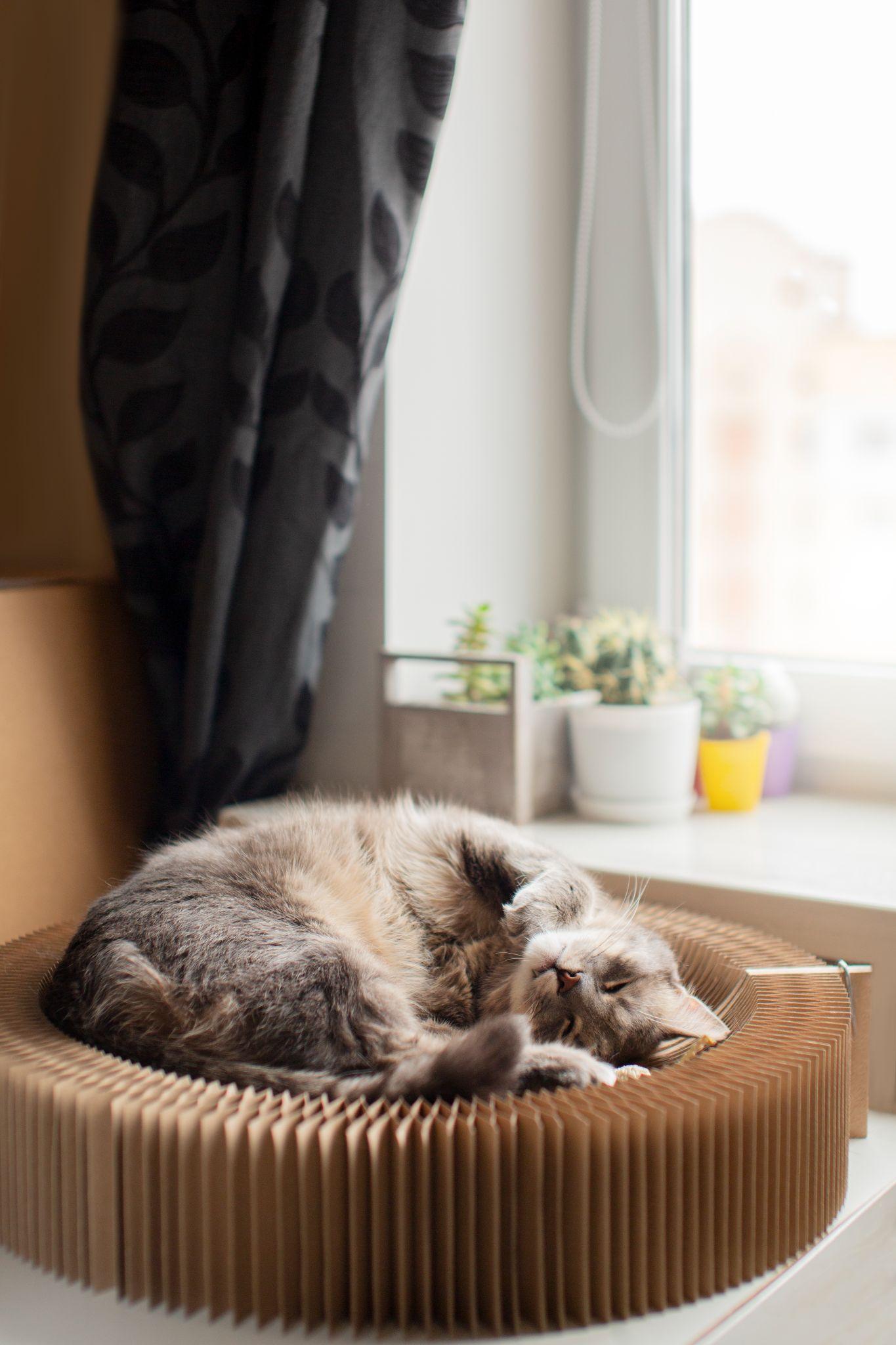
Stress has negative consequences on the health and well-being of animals, and shelter cats are especially vulnerable to stress-induced health problems such as upper respiratory infections. In addition, stress can make cats exhibit unwanted behaviors, including biting and scratching. Cats that are ill, or have behavior issues, are less likely to be adopted. Sadly, these conditions can lead to euthanasia. Providing hiding spaces has been proposed as one way to reduce stress in cats in these types of environments. A new study will test this theory by giving shelter cats access to a small, enclosed cat den within their larger kennel space, to see if the addition of this simple tool can improve outcomes for these animals. "Euthanasia rates for cats in shelters remain stubbornly high, with estimates of up to 70% by some organizations, including the ASPCA," said Dr. Kathy Tietje, Chief Program Officer at Morris Animal Foundation. "We need to take action to help more cats make their way to their forever homes. This study is an important step." The study is part of a unique partnership with Morris Animal Foundation and the Dumb Friends League, both based in Denver, and EveryCat Health Foundation. "We’re excited to be conducting a field trial of this simple but potentially powerful intervention," said Katie Parker, Vice President of Sheltering at Dumb Friends League. "We know that improving health has a direct correlation with adoptability. Anything we can do to improve our cats' health is a win for everyone, but especially our cats." Source: https://www.morrisanimalfoundation.org/
Stay in touch and keep up to date with the latest news.


