
0 seconds read
Indonesia International Pet Expo Nature Bridge - NatureBridge Fresh Launching & Sunset Walk




Sebagai Pawrent NBFriends pastinyakita selalu menganggap anabul kita seperti anak kita. Tentunya kita selalu ingin memenuhi kebutuhan anabul kita dan menjaga anabul kita tetap sehat. Namun tidak dapat dipungkiri, layaknya manusia, hewan peliharaan kita juga bisa sakit karena banyak hal. Beberapa diantaranya karena faktor cuaca, faktor alergi turunan, maupun karena sistem imun yang sedang turun. Itu mengapa kita sebagai Pawrent harus lebih sadar akan penyakit-penyakit yang umum terjadi pada anabul. Berikut di antararanya : Penyakit pada kucing 1. Infeksi Saluran Pernapasan Atas (ISPA) Kucing rentan terhadap infeksi virus dan bakteri yang dapat menyebabkan gejala seperti bersin, hidung berair, dan batuk. Pembersihan rutin dan vaksinasi dapat membantu mencegah ISPA. Perawatan simptomatik seperti memberikan cairan dan makanan lembut dapat membantu pemulihan. 2. Penyakit Gigi dan Gusi Penyakit gigi dan gusi umum pada kucing, terutama jika tidak diberikan perawatan gigi yang memadai. Pembersihan gigi secara rutin oleh dokter hewan dan memberikan makanan yang membantu membersihkan gigi dapat membantu mencegah penyakit ini. 3. Penyakit Ginjal Penyakit ginjal umum pada kucing yang lebih tua. Gejalanya termasuk muntah, diare, kehilangan nafsu makan, dan peningkatan konsumsi air. Diet khusus yang rendah protein dan tinggi air, serta pengelolaan cairan yang cermat, dapat membantu mengelola penyakit ginjal pada kucing. Penyakit pada Anjing 1. Demam Berdarah (Ehrlichiosis) Penyakit yang disebabkan oleh gigitan kutu yang terinfeksi bakteri Ehrlichia. Gejalanya termasuk demam, kehilangan nafsu makan, kelemahan, dan pembengkakan limpa. Pencegahan dengan memberikan perlindungan terhadap kutu dan pengobatan dengan antibiotik diperlukan untuk mengatasi penyakit ini. 2. Obesitas Anjing yang menderita obesitas rentan terhadap berbagai penyakit termasuk diabetes, penyakit jantung, dan masalah sendi. Pengelolaan berat badan melalui diet seimbang dan olahraga teratur penting untuk mencegah dan mengobati obesitas pada anjing. 3. Alergi Kulit Anjing dapat mengalami reaksi alergi terhadap makanan, serbuk sari, atau kutu. Gejala termasuk gatal, kemerahan, dan iritasi kulit. Identifikasi dan menghindari alergen serta penggunaan obat antihistamin atau steroid dapat membantu mengendalikan gejala. Tentu saja penyakit-penyakit di atas dapat di sembuhkan dengan penanganan yang tepat dari dokter hewan. Tidak hanya itu, kita sebagai Pawrent juga perlu menjaga pola hidup sehat anabul kita dan memberikan pakan yang bergizi baik bagi anabul. Salah satunya dengan mengonsumsi pakan dari NatureBridge. Selain kandungannya yang kaya akan protein hewani yang baik, formulasinya yang telah gluten free atau bebas dari tepung, lebih ramah pada pencernaan sensitif anabul. Namun jika Kamu bisa mendapatkan pakan NatureBridge for Daily Food di official e-commerce CP Petindo serta varian Veterinary Exclusive di klinik hewan di seluruh Indonesia. Dapatkan juga informasi seputar anabul di sosial media @naturebirdgeid!
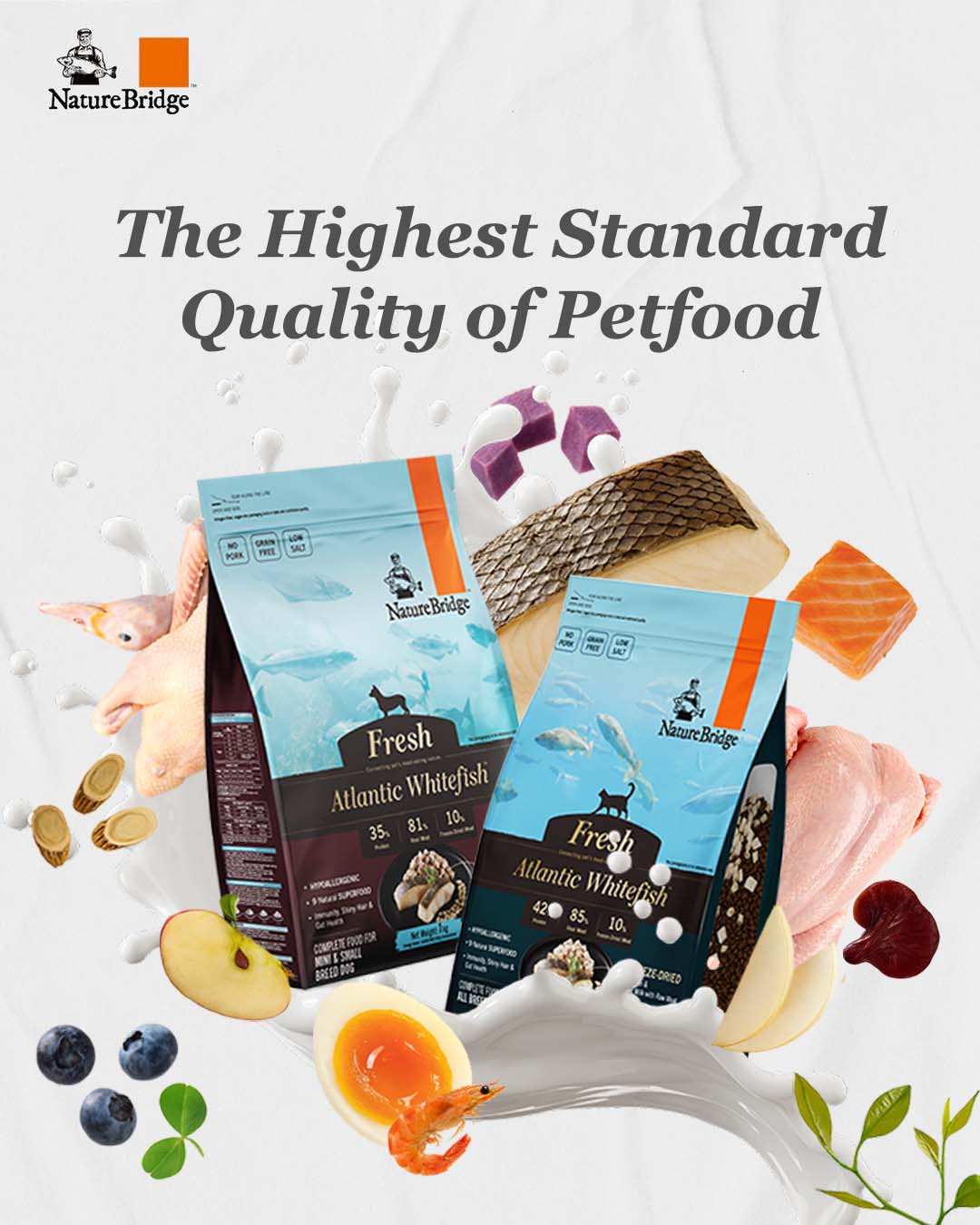
In the world of pet nutrition, protein is a vital component. However, for some dogs and cats, commonly used proteins like chicken, beef, or lamb can trigger allergic reactions and food intolerances (hypersensitivities or hypoallergenic issues). These reactions often manifest as chronic itching, skin problems, or digestive upset. This is why pet nutrition experts are now turning alternative proteins, aiming to reduce the risk of the protein being recognized as an allergen by the pet's immune system. Introducing Atlantic Whitefish: Novel Protein from the Atlantic Ocean One of the most promising and increasingly popular novel protein sources is Atlantic Whitefish. This fish is not just an alternative; it also carries a host of health benefits. Advantages of Atlantic Whitefish: Novel and Hypoallergenic Protein Because this whitefish is rarely used in typical pet food formulations, its protein is considered a novel protein. This means the sensitive immune systems of dogs and cats are less likely to react negatively to it, making it an ideal choice for elimination diets or allergy management. Rich in Omega-3 Fatty Acids Atlantic Whitefish is an excellent natural source of Omega-3 Fatty Acids (especially EPA and DHA). Omega-3s are known for their powerful anti-inflammatory properties. Reduces Skin Inflammation: This anti-inflammatory effect helps soothe irritated and itchy skin caused by allergic reactions. Supports Coat Health: Omega-3s provide the necessary nutrition for a shiny and healthy coat. Highly Digestible Fish protein is generally easier for the digestive systems of dogs and cats to process compared to land-based animal proteins. This is crucial for pets with sensitive digestive systems or those who struggle with nutrient absorption. Foods formulated with Atlantic Whitefish are highly recommended for: Pets with Food Allergies: Especially those diagnosed with sensitivities to chicken, beef, or soy proteins. Pets with Chronic Skin Issues: Conditions like dermatitis, dry skin, or excessive shedding often improve with high Omega-3 intake. Pets with Sensitive Digestion: Animals that frequently experience mild vomiting, diarrhea, or bloating. Conclusion Choosing the right food is a crucial step in maintaining the quality of life for your beloved dog and cat, particularly if they have a tendency toward hypersensitivity. Products that feature Atlantic Whitefish as the primary protein offer a gentle, Omega-3-rich, and effective nutritional solution to reduce potential allergic reactions. It is a smart investment for healthy skin, a shiny coat, and a happy gut. The Right Choice for Sensitive Skin & Digestion If you want to provide the best nutrition for your beloved pet—especially those prone to allergies, skin problems, or digestive issues—choose NatureBridge Fresh Atlantic Whitefish. Its novel protein and natural Omega-3 content are designed to soothe irritated skin, support a healthy and shiny coat, and help your pet’s digestive system function more comfortably. You can find it in our official online store or at your trusted local pet shop. And this journey isn’t just about giving the best nutrition. By purchasing NatureBridge and submitting your receipt on our website, you have the chance to travel to Korea through the NatureBridge Korea Pawradise Campaign. Your pet gains a healthier life—and you may gain a once-in-a-lifetime adventure. A worthy opportunity for both of you to pursue together.
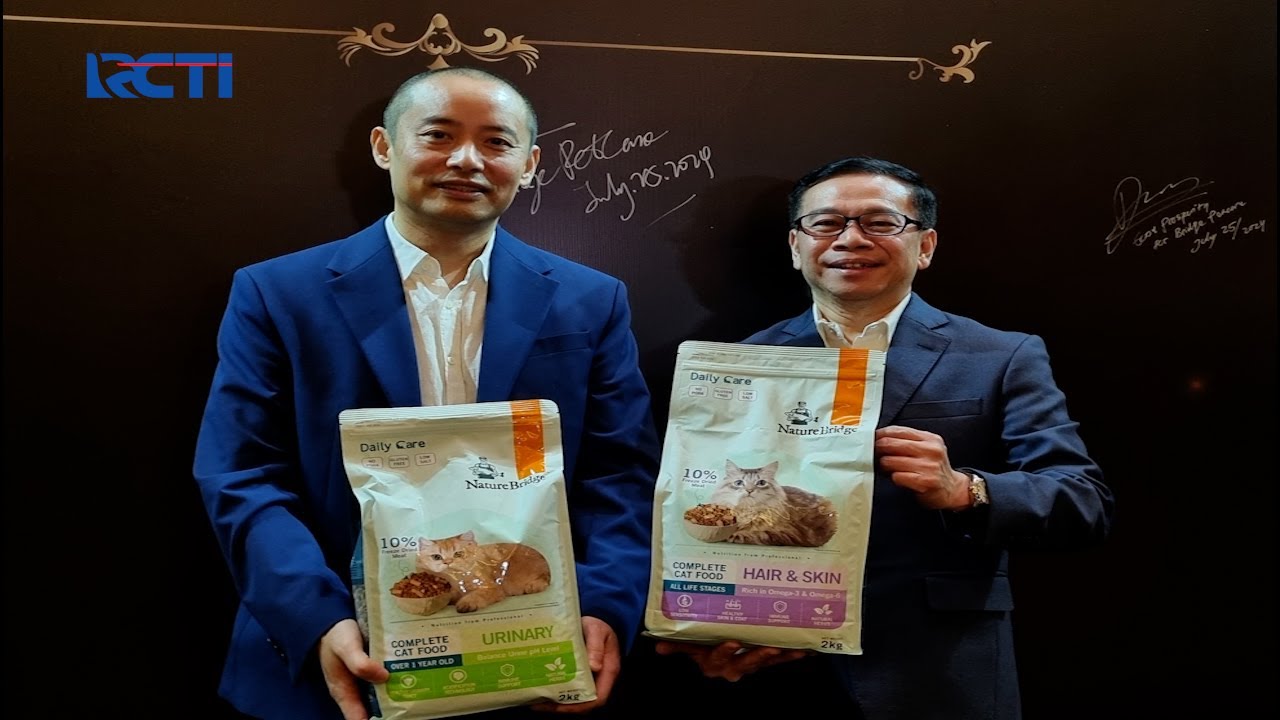
Nature Bridge, makanan hewan super premium, diperkenalkan sebagai solusi untuk menjaga kesehatan hewan kesayangan di iklim tropis Indonesia. Keunggulan Nature Bridge Nature Bridge merupakan produk makanan hewan peliharaan kelas super premium yang diproduksi di Shanghai, Cina, dan didistribusikan di Indonesia. Produk terbaru, Daily Care Series, menawarkan tiga varian: Hair and Skin, Urinary, dan Mother and Baby. Teknologi pengolahan daging yang digunakan menciptakan produk yang lebih alami dan kaya protein untuk kucing. Ketersediaan dan Sasaran Pasar Nature Bridge tersedia di toko hewan peliharaan dan secara online. Produk ini menargetkan pemilik hewan peliharaan, influencer, dan pet lover serta UMKM penjual pakan hewan. Juga disebutkan bahwa produk ini dapat menghemat biaya perawatan karena menjaga kesehatan hewan. Segmentasi Pasar Terdapat dua segmen pasar: ekonomi, yaotu mencari harga murah dan premium, yang menitikberatkan pada kualitas dan keamanan. Nature Bridge berada di segmen premium, menawarkan produk yang berkualitas dan aman untuk kesehatan hewan. Sumber: https://www.youtube.com/watch?v=Xw6M3_u3mxw
Stay in touch and keep up to date with the latest news.


